Endodontics and oral health blog
Clear, evidence-based information for patients and colleagues.
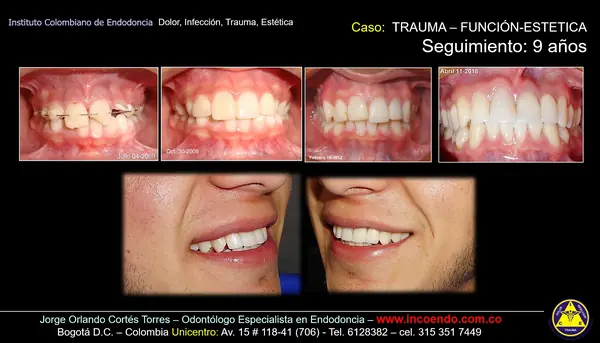
Knocked-out tooth: what to do in the first 60 minutes
Step-by-step guide to saving a permanent tooth knocked out by a blow (dental avulsion). How to hold it, where to store it and why time matters.
Read article →
Patient safety in dentistry: key points for every practice
Summary of Dr. Cortés Torres's lecture: checklists, lessons from aviation, informed consent and the 'chain of error in healthcare'.
Read article →
The natural history of disease: past and future
From the classic concept to Delphi-2M, an artificial intelligence model that estimates the risk of over 1,000 diseases.
Read article →
Informed consent: history, communication and understanding
Even people with higher education may not understand medical terms. What this means for informed consent.
Read article →
Medical ethics and law: a critical analysis
Why knowing the rules is not enough to act ethically. Aimed at professors, academic councils, universities and hospitals.
Read article →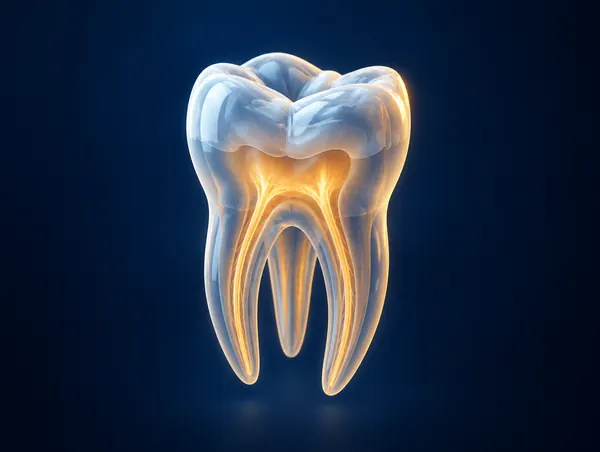
Cracked and fractured teeth: analysing the ESE position statement
A critical analysis of the European Society of Endodontology's 2025 statement on cracked teeth and vertical root fracture.
Read article →
Scientific honesty, conflicts of interest and transparency
Why medical research needs more transparency: conflicts of interest, reporting bias, pseudoscience and open access to knowledge.
Read article →Informed consent: how the legal doctrine developed
From Schloendorff (1914) to today: an analysis of the legal development of informed consent and its effect on the doctor-patient relationship.
Read article →Chronic wound infections: lessons for endodontics
Analysis of the WundDACH position paper: early diagnosis, repeated cleaning and how it relates to cleaning root canals.
Read article →Informed consent: guidance from Colombia's Dental Ethics Tribunal
Transcript of Communiqué 001 of 2026 from Colombia's National Dental Ethics Tribunal: minimum information, dialogue and foreseen risk.
Read article →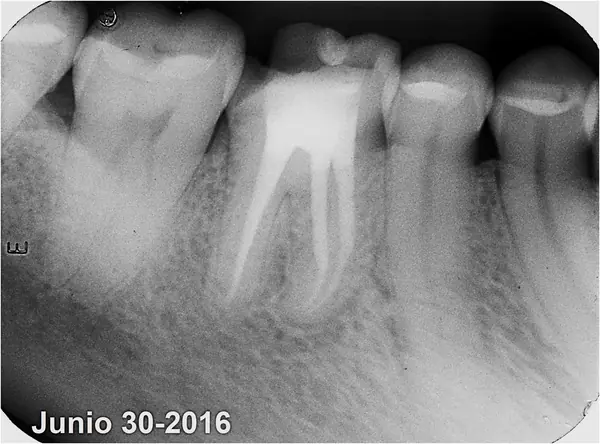
Are we teaching endodontics correctly?
Outcomes of root canal treatment by undergraduate students: what the evidence says and the question it leaves for dental schools.
Read article →Teaching communication: a gap in dental education
Analysis of a communication workshop at Columbia and why dental programmes need a structured course.
Read article →
Dentist-patient communication: the basis of quality care
How good communication improves diagnosis, reduces stress and complaints, and helps patients who fear the dentist.
Read article →The five barriers to communication in healthcare
Behavioural, cognitive, linguistic, environmental and technological: why clinical communication fails and how to address it.
Read article →How older patients communicate during care
Barriers to and facilitators of older people's communication with primary care staff, according to a qualitative review.
Read article →What is science? A tribute to Richard Feynman
Sixty years after Richard Feynman's lecture, an annotated reading on what science is and what it means for clinical practice.
Read article →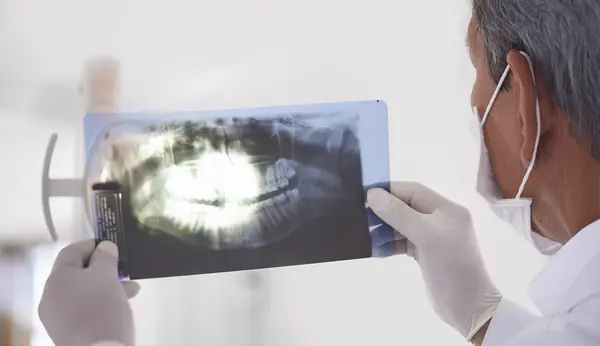
Endodontic emergencies: who seeks care and how they do
Analysis of a cohort study on endodontic emergency patients, and why root canal treatment should be tried before extraction.
Read article →What determines the outcome of root canal treatment
A critical analysis of the factors behind root canal treatment and retreatment outcomes: infection control, apical extent and filling.
Read article →Secretory IgA in human periapical lesions (1994)
A study in the Journal of Endodontics: canals open to the mouth had higher concentrations of secretory IgA.
Read article →